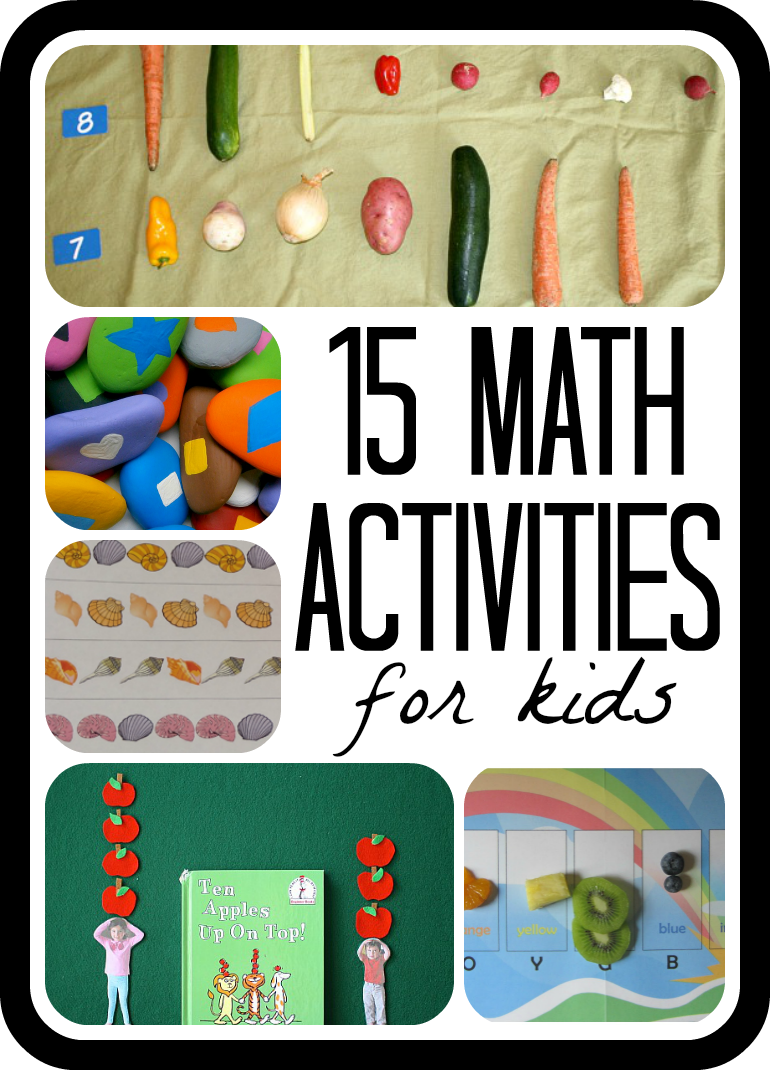
Discover Fun Saturday Math & English Games for Kids: Turn Weekends into Learning Adventures
Saturdays are a cherished time for children and families. A day free from the rigid schedules of school, offering a canvas for relaxation, exploration, and connection. But what if these precious weekend hours could also become a vibrant hub for learning, without feeling like "schoolwork"? Enter the exciting world of educational saturday games – a brilliant way to supercharge your child's math and English skills through play. Far from mundane drills, these activities transform essential learning into captivating adventures, ensuring that knowledge sticks, and the love for learning blossoms. The key lies in blending enjoyment with education. When children are engaged and having fun, they are more receptive to new concepts, more persistent in solving challenges, and more likely to retain what they've learned. This article will delve into a treasure trove of math and English games perfectly suited for Saturday fun, offering practical tips and insights to make your family's weekend a truly enriching experience.The Magic of Saturday Games: Blending Learning with Leisure
Why are Saturdays the perfect day for these specialized learning games? The answer lies in the relaxed atmosphere. During the school week, learning can sometimes feel pressured, driven by curriculum and deadlines. Saturdays, however, offer a break from this intensity. With more free time and fewer obligations, children are in a better mindset to absorb information playfully. Incorporating educational saturday games into your routine offers a multitude of benefits:- Prevents "Weekend Brain Drain": Just like the "summer slide," children can experience a dip in academic retention over the weekend. Engaging games keep their minds active and sharp.
- Fosters a Positive Attitude Towards Learning: When math and English are presented as fun challenges rather than chores, children develop a healthier, more positive association with these subjects.
- Strengthens Family Bonds: Many of these games are designed for collaborative play, turning learning into a shared family experience.
- Builds Essential Skills: Beyond academic knowledge, children develop critical thinking, problem-solving, communication, and strategic planning abilities.
- Encourages Self-Directed Learning: When kids enjoy a game, they often seek out similar activities, subtly taking charge of their own learning journey.
Unleash Math Power with Engaging Saturday Games
Math often gets a bad rap, perceived as difficult or boring. But with the right approach, it can be incredibly exciting. Saturday games provide the ideal setting to explore mathematical concepts in a hands-on, interactive way.Image-Reveal Math Puzzles: The "Squirrels and Math" Concept
Imagine a game where every correct answer to a math problem reveals a piece of a hidden picture. This is the essence of the "Veveritele si matematica" (Squirrels and Math) concept, a delightful way to practice fundamental operations.Here's how to implement it:
- Choose a Theme: Pick a picture your child loves – animals, superheroes, space, or nature. Break the picture into several numbered segments.
- Create Math Problems: Assign a math problem (addition, subtraction, multiplication, division) to each segment number. Start with simple problems for younger children and increase complexity for older kids.
- The Reveal: As your child correctly solves a problem, they "unlock" the corresponding segment to uncover part of the picture. The anticipation of revealing the full image acts as a powerful motivator.
Tips for Success:
- Use a whiteboard or a large piece of paper. You can even find numerous printable Saturday games online that use this format.
- Make it a race against a timer or a collaborative effort where family members take turns.
- Discuss the strategies used to solve the problems, reinforcing understanding.
Mastering Multiplication Tables Through Play
"Tu Tarea: Tablas De Multiplicar" (Your Homework: Multiplication Tables) doesn't have to be a dreaded phrase. Instead, turn multiplication practice into exciting saturday games.- Multiplication Bingo: Create bingo cards with numbers that are products of multiplication facts. Call out multiplication problems (e.g., "5 times 7"), and players mark the answer if it's on their card.
- Dice Roll Multiplication: Use two dice (or more for older kids). Roll them and multiply the numbers together. The first one to shout out the correct answer gets a point. Keep a running tally!
- Flashcard Speed Challenges: Turn simple flashcards into a competitive game. Lay out cards and see who can solve the most in a minute, or challenge kids to a "multiplication duel."
- Online Interactive Games: Many educational websites offer engaging multiplication games that use animation and sound effects to make learning fun.
Insight: Understanding multiplication is foundational for higher-level math. By making it fun early on, you build a strong base and reduce math anxiety.
Beyond these, consider board games like Monopoly (money management), Uno (number matching), or even baking together (measuring ingredients involves fractions and basic arithmetic).
Sharpening English Skills with Creative Saturday Games
Word Puzzles & Brain Teasers
The reference to "Printable Word Puzzles For 5 Year Olds" highlights the timeless appeal and effectiveness of word puzzles. These games can be tailored for all ages and are fantastic for expanding vocabulary and boosting spelling.- Crossword Puzzles: Excellent for vocabulary and context. You can find simple picture-based crosswords for young learners or complex themed ones for older children.
- Word Searches: Help with word recognition and scanning skills. Create custom word searches with words related to your child's interests or current school topics.
- Jumbled Words/Anagrams: Rearranging letters to form words challenges spelling and expands vocabulary. Start with shorter words and gradually increase difficulty.
- Riddles and Brain Teasers: Encourage critical thinking and understanding of wordplay and multiple meanings.
- Fill-in-the-Blanks: A simple yet effective way to practice grammar, sentence structure, and vocabulary.
These types of activities are perfectly suited for children who love to solve mysteries and decode messages. Many resources, including Engaging Saturday Puzzles: Boost Kids' Math & Word Skills, offer a wealth of ideas for incorporating these into your weekend routine.
Tips for Success:
- Age-Appropriate Content: For 5-year-olds, focus on sight words, simple CVC (consonant-vowel-consonant) words, and picture clues. For older kids, introduce prefixes, suffixes, and more complex vocabulary.
- Theme It Up: Use themes like "Animal Words," "Space Explorer," or "Holiday Cheer" to make puzzles more appealing.
- Collaborative Play: Solve puzzles together as a family. This allows for discussion, clue-sharing, and a positive learning environment.
Storytelling & Creative Writing Games
Beyond puzzles, engage children's imaginations to develop their English skills.- Story Dice: Use dice with images on each face. Roll the dice and create a story that incorporates all the images. This sparks creativity and narrative structure.
- Collaborative Story Writing: One person starts a story with a sentence, and each subsequent person adds another sentence, building a narrative together.
- Vocabulary Charades/Pictionary: Act out or draw words to guess them. This is excellent for understanding word meanings and non-verbal communication.
- "I Spy" with Descriptive Words: Play "I Spy" but encourage the use of adjectives and adverbs to describe the object.
These activities help with sentence formation, vocabulary acquisition, descriptive language, and fostering a love for narratives.
Making Saturday Learning Fun: Practical Tips for Parents
The success of educational saturday games hinges on the approach. Here’s how parents can maximize the fun and minimize the fuss:- Flexibility is Key: Saturdays are for relaxation. Don't force a game if your child isn't in the mood. Offer choices, and let them decide. Short, frequent sessions are more effective than long, arduous ones.
- Set the Scene: Make "game time" special. Lay out a blanket on the floor, prepare some healthy snacks, or put on some background music. Create an inviting atmosphere.
- Lead by Example: Join in the fun! Your enthusiasm is contagious. When children see you enjoying learning, they're more likely to embrace it themselves.
- Incorporate Technology Wisely: Educational apps and websites can be powerful tools. Look for interactive math and English games that are well-designed and genuinely engaging, but balance screen time with hands-on activities.
- Connect to Real Life: Point out how math and English are used in everyday situations. Calculating change at a store, reading recipes, writing a shopping list – these are all learning opportunities.
- Celebrate Progress, Not Perfection: Focus on effort and enjoyment rather than just correct answers. Praise perseverance, creative problem-solving, and good sportsmanship. Learning should be a journey of discovery, not a test.
- Rotate Activities: Keep things fresh by offering a variety of games. Some Saturdays might be math-focused, others English, and some a blend of both.